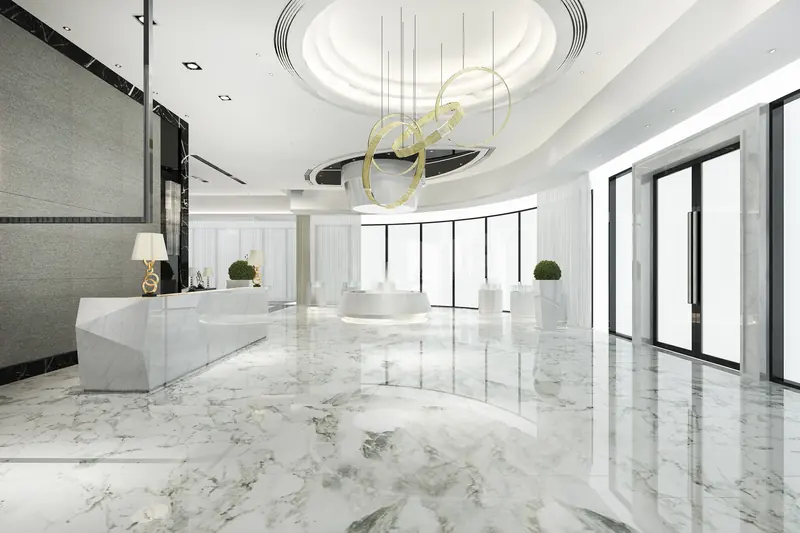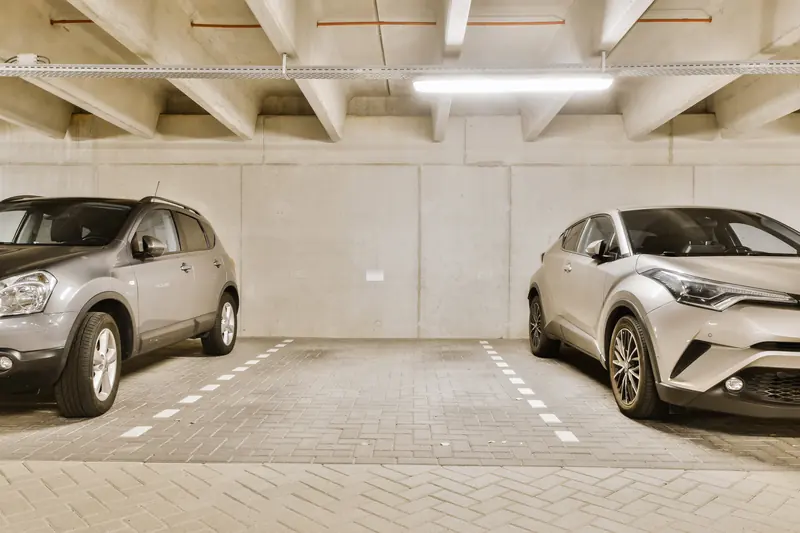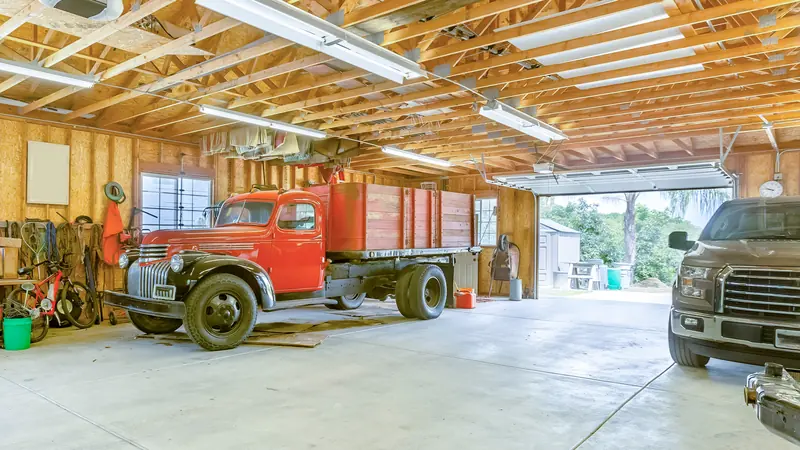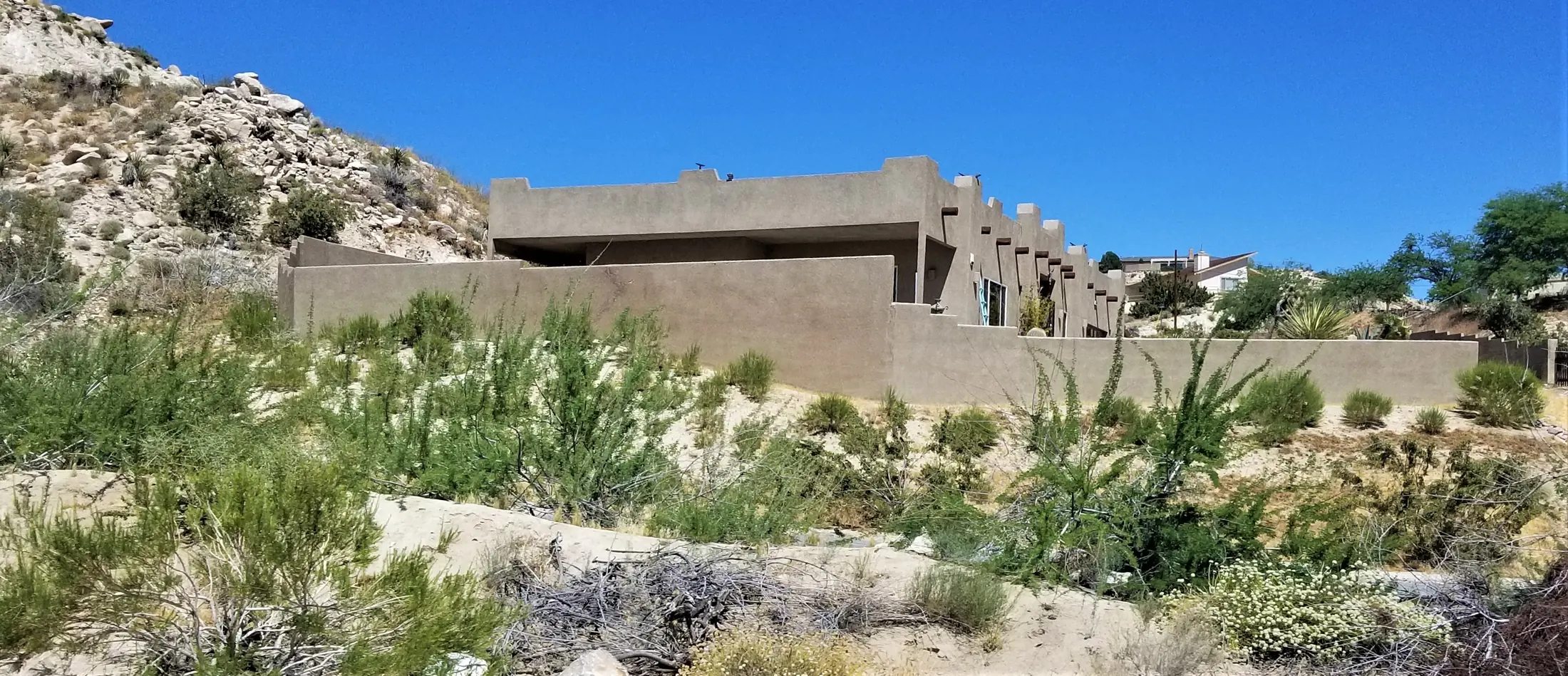
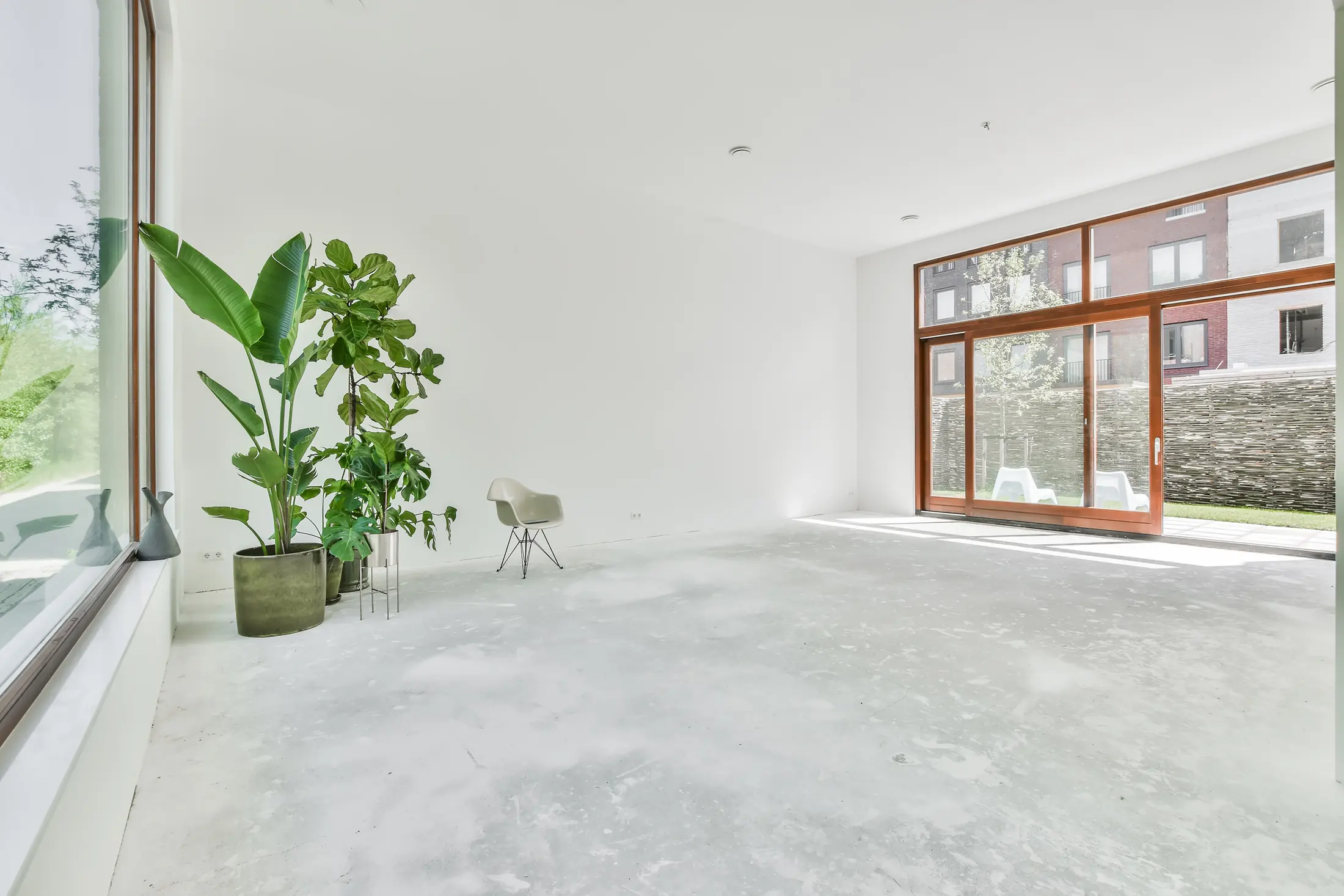
For a long time, "epoxy" meant garages and warehouses. That has changed. Designers have been specifying polished and coated concrete in desert homes for years, and the coatings themselves have caught up, with finer sheen control, better color stability and decorative options that look deliberate rather than industrial.
Inside a house, the goals shift. A garage floor is judged on toughness first. An interior floor also has to look right next to your cabinets and wall color, feel comfortable to walk on barefoot, and photograph well in daylight. We approach interior work with that in mind: more attention to sheen, consistency and edges, and a system chosen for the way the room is used.
Rooms where an epoxy floor earns its place
Interior coatings shine in rooms that see water, sweat, pets, tools or heavy traffic. These are the spaces we coat most often in Ahwatukee homes.
Epoxy compared with tile and luxury vinyl
People weighing an interior coating are usually also pricing porcelain tile or luxury vinyl plank. Each has a place. Here is how they compare in a typical Arizona home.
| Porcelain tile | Luxury vinyl plank | Coated concrete | |
|---|---|---|---|
| Feel underfoot | Cool and hard | Warmer, slight give | Cool and smooth |
| Grout and seams | Grout lines to clean and seal | Seams can open with heat | Seamless |
| Water | Very good, grout is the weak point | Good on top, water can get under edges | Very good when sealed to edges |
| Heat and sun | Unaffected | Can expand, fade or gap near windows | Choose a UV-stable topcoat near glass |
| Repairs | Replace cracked tiles, matching can be hard | Replace planks | Spot repair or recoat the surface |
| Look | Wide range of styles | Wood-look options | Solid, flake, metallic or stone-like |
Coated concrete is not the answer for every room. If you want the warmth of wood in a bedroom, vinyl or real wood may suit you better. But for high-use rooms, a coated slab is hard to beat on cleanability and durability, and it avoids the grout maintenance that comes with tile.
Finishes for interior floors
Interior finishes are chosen as much for mood as for performance. These are the options we discuss most.
Preparing an interior slab
Interior prep starts with removal. Carpet, pad and tack strip come up easily. Tile and thinset take more work; we grind thinset down to clean concrete so no ridges telegraph through the coating. Glue from old vinyl or carpet has to be removed fully, because coatings will not bond to adhesive residue.
Then comes the part people do not see: moisture testing. Slabs-on-grade in older homes sometimes lack a good vapor barrier. Moisture coming up through the slab can push an interior coating off over time. We test, and if readings are high we use a moisture-mitigating primer before the decorative layers.
Indoors we also manage dust tightly, with vacuum-attached grinders, plastic barriers at doorways and HVAC returns covered.
Benefits you will notice living with it
Cooler rooms. Concrete holds onto the cool of the night. A coated slab feels pleasant underfoot through the long summer, especially in casitas and rooms that get afternoon sun.
Cleaner air. With no carpet fibers or grout lines, there are fewer places for dust, pet dander and pollen to collect. Monsoon dust that blows in is easy to dust-mop away.
Durability around kids and pets. Toys, scooters, claws and spills do not trouble a properly coated floor.
Design flexibility. The floor can be a neutral background or the main feature of the room.
Long service life. Interior floors see far less abuse than garages. With basic care, a quality interior coating can look good for many years, and the surface can be renewed with a fresh topcoat rather than replaced.
Interior project timeline
Visit and samples
We look at the existing floor, test moisture and bring finish samples to view in your light.
Removal and grinding
Old flooring and adhesive come up, the slab is ground and vacuumed, doorways sealed off.
Repairs and leveling
Cracks and low spots are filled; transitions to other floors are planned so thresholds sit cleanly.
Primer and color coats
Moisture-mitigating primer if needed, then the color, flake or metallic layers.
Topcoat and cure
A clear protective topcoat in your chosen sheen. Light foot traffic usually the next day, furniture after a few days.
Interior floors in a desert home
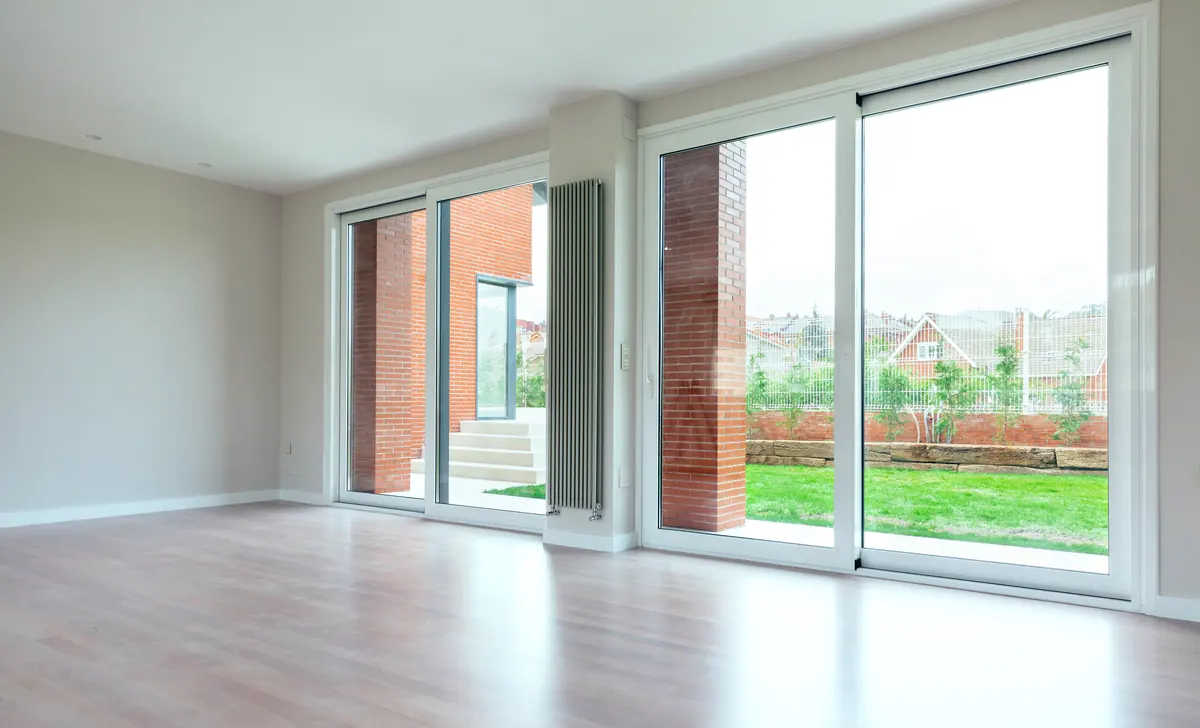
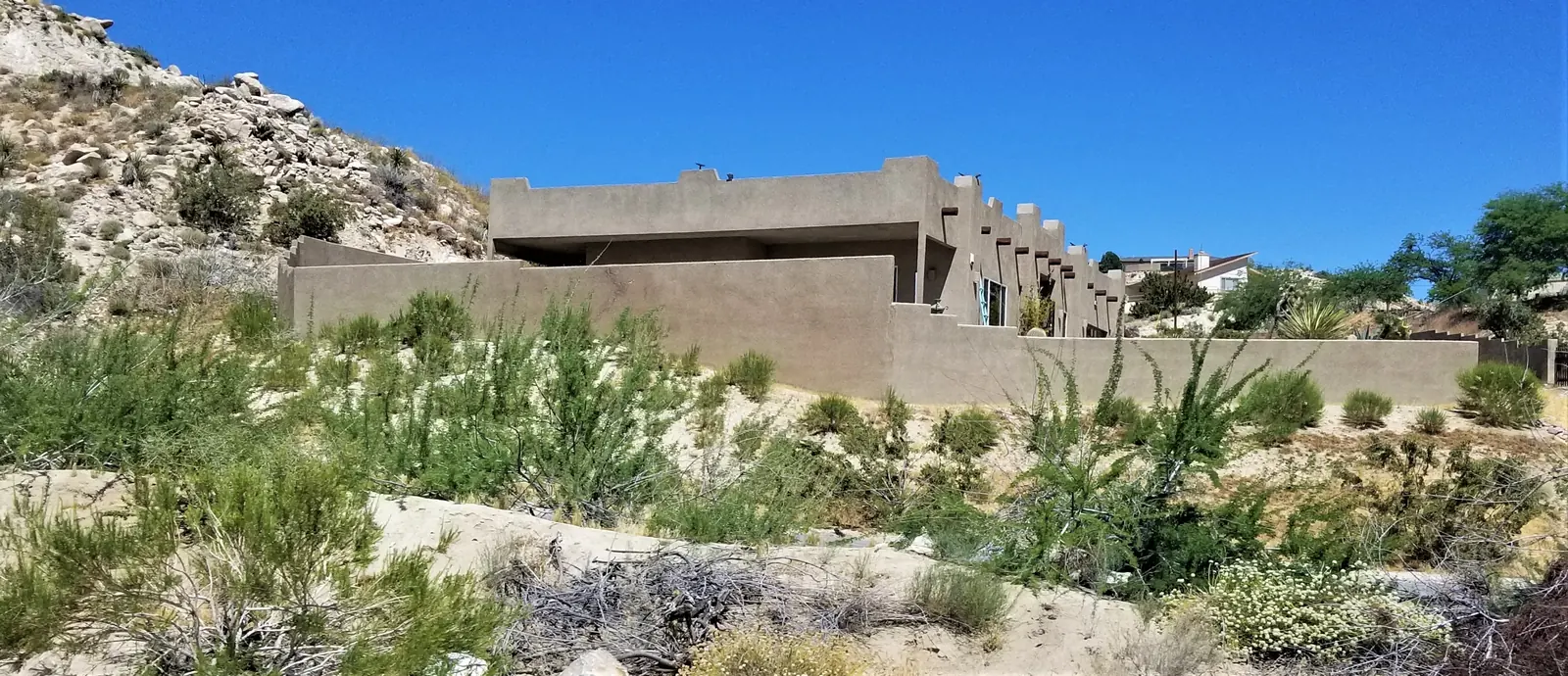
Arizona homes have their own quirks. Big sliding doors and windows let in strong sun, so in rooms with west or south glass we choose topcoats that hold their color. Baseboards in stucco homes are sometimes set right onto the old tile; we plan whether to remove and reset them or work up to them neatly.
Many homes in Ahwatukee were built with tile throughout the main living areas. When that tile is cracking or the style has dated, the cost to remove it and coat the slab is often competitive with retiling, with no grout to maintain afterward. If you are weighing that choice, we are happy to price both paths honestly, even if the answer is that tile makes more sense for your room.
Why interior coatings need a careful installer
Inside a home, small mistakes are very visible. Uneven sheen, roller marks, ridges from old thinset, dust specks in the topcoat and sloppy edges at baseboards all catch the light. Interior work also means protecting cabinets, walls and furniture, controlling dust in a lived-in home and planning transitions to other flooring so doors still close. We take the extra time interior projects need, and we will not start until moisture readings and prep say the floor is ready.