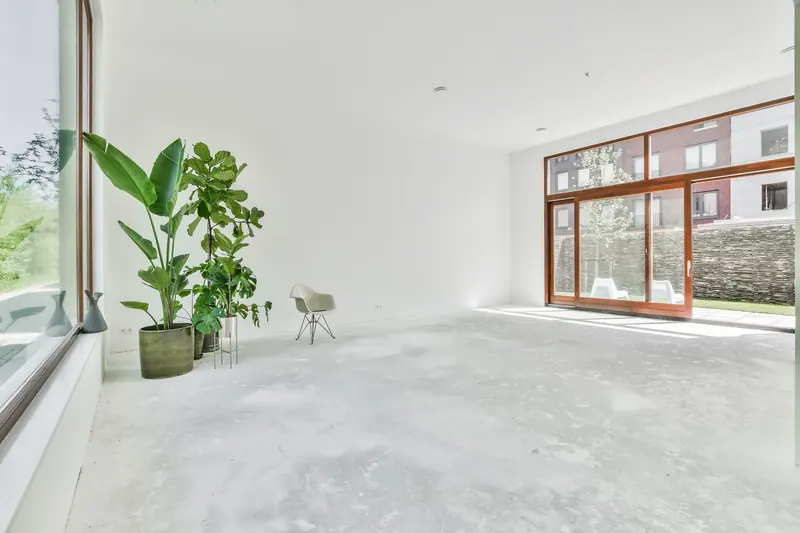
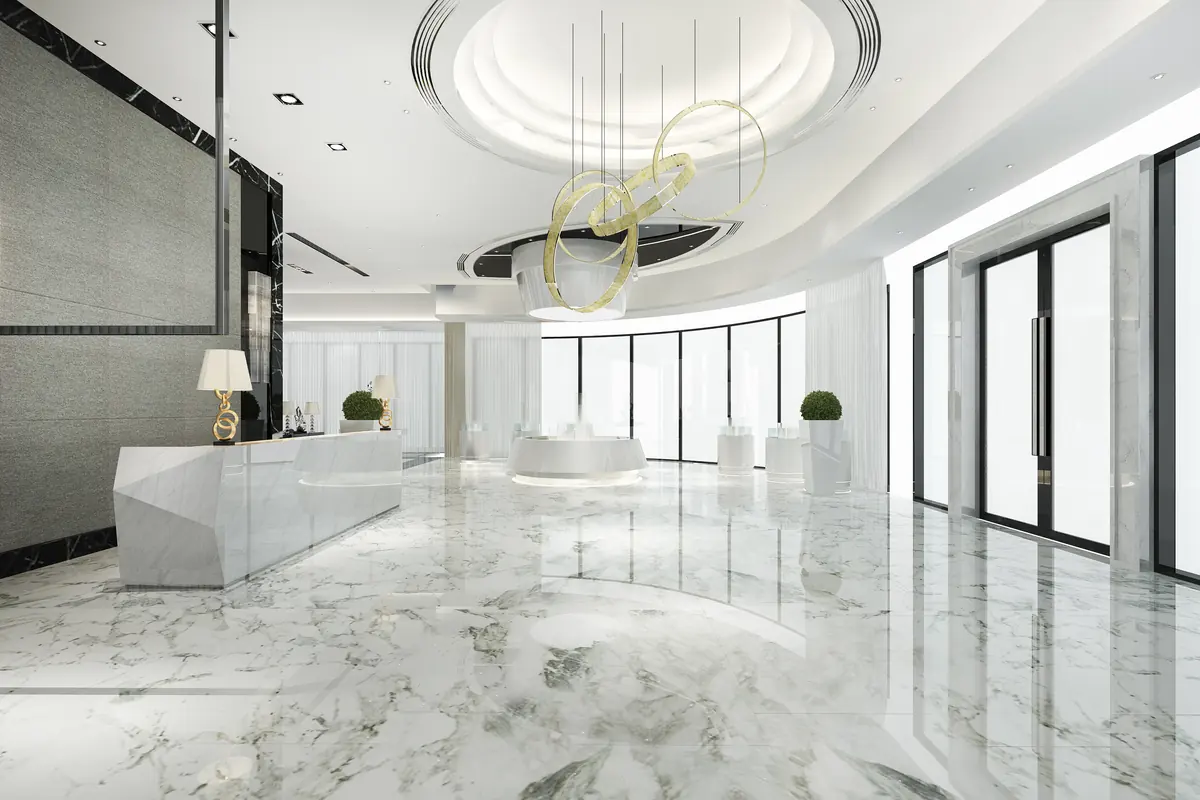
People usually find metallic floors through a photo: a living room that looks like it has a slab of polished stone for a floor, or a garage that could pass for a car showroom. In person, the effect is even stronger, because the reflective pigments catch light differently as you move.
That uniqueness is the whole appeal, and it is also the thing to understand before you choose it. A metallic floor cannot be matched to a photo exactly. We control the palette, the direction of movement and the overall character, but the resin and pigments do the final work as they settle. If you want a floor that is unmistakably yours, that is a feature. If you need a perfectly uniform surface, a solid color or flake system will suit you better.
How a metallic floor is made
Metallic pigments are fine mica particles coated in metal oxides. Mixed into a clear epoxy, they float and reflect light. When the resin is poured and spread, we work it with rollers, trowels, brushes and sometimes air or solvent sprays to push the pigments into swirls, veins, lava-like drifts or soft clouds.
As the resin levels out, the pigments continue to move slightly and settle. The result has real visual depth, because you are looking into a layer of resin rather than at a painted surface.
The process depends on a few things being right: a flat, well-prepared slab, a dark or tinted primer that sets the background tone, and steady room conditions while the floor levels. Heat and airflow both affect how a metallic floor moves, which is why we control the space carefully during the pour.
Palettes that suit Ahwatukee homes
Any color is possible, but these palettes tend to work with desert architecture and natural light.
Is a metallic floor right for your space?
Metallic floors are wonderful in the right setting. Here is an honest view of what they do well and where they need extra thought.
| Strengths | Things to plan for | |
|---|---|---|
| Look | Unique, high-end, depth no paint can match | Cannot be matched exactly to a sample or photo |
| Maintenance | Seamless and easy to mop | Gloss finishes show dust and fine scratches more than flake |
| Durability | Tough resin with a protective topcoat | Needs a topcoat suited to the traffic; heavy grit wears gloss |
| Sunlight | Excellent indoors | UV-stable topcoat required near west and south glass |
| Repairs | Topcoat can be renewed | Spot repairs in the decorative layer are hard to blend invisibly |
For most homeowners, the answer is to use metallic where it will be appreciated and protected: living spaces, entertainment rooms, interior studios and garages that are more showroom than workshop. For a garage that is also a messy workshop, a flake system is usually the more practical choice.
Where we install metallic epoxy
Our metallic installation process
Metallic work takes more steps than other systems, and most of them happen before any color goes down.
Design conversation
We look at photos you like, talk palette and movement, and show sample boards. We are honest about what is achievable.
Grind, repair and flatten
Metallic resin reveals every dip. Cracks and low spots are filled and the slab ground flat.
Primer and tinted base
A primer seals the concrete, then a tinted base coat sets the background tone the metallics will play against.
Metallic pour and manipulation
The pigmented resin is poured, spread and worked by hand in a single session to keep the movement continuous.
Protective topcoat
A clear topcoat in gloss or satin adds scratch and UV resistance suited to the room.
Why metallic floors are not a DIY project
Metallic epoxy is unforgiving. It shows roller marks, uneven mixing, dust that settles during cure and any lap where one batch meets another. The working time is short, especially in a warm Arizona room, and the whole floor has to be poured and worked in one continuous session for the effect to look natural.
Experience matters here more than with any other system we install. It is the difference between a floor that looks like flowing stone and one that looks like a spill. We are always glad to show sample boards and talk through realistic expectations before you commit.
Light, heat and metallic floors in the desert
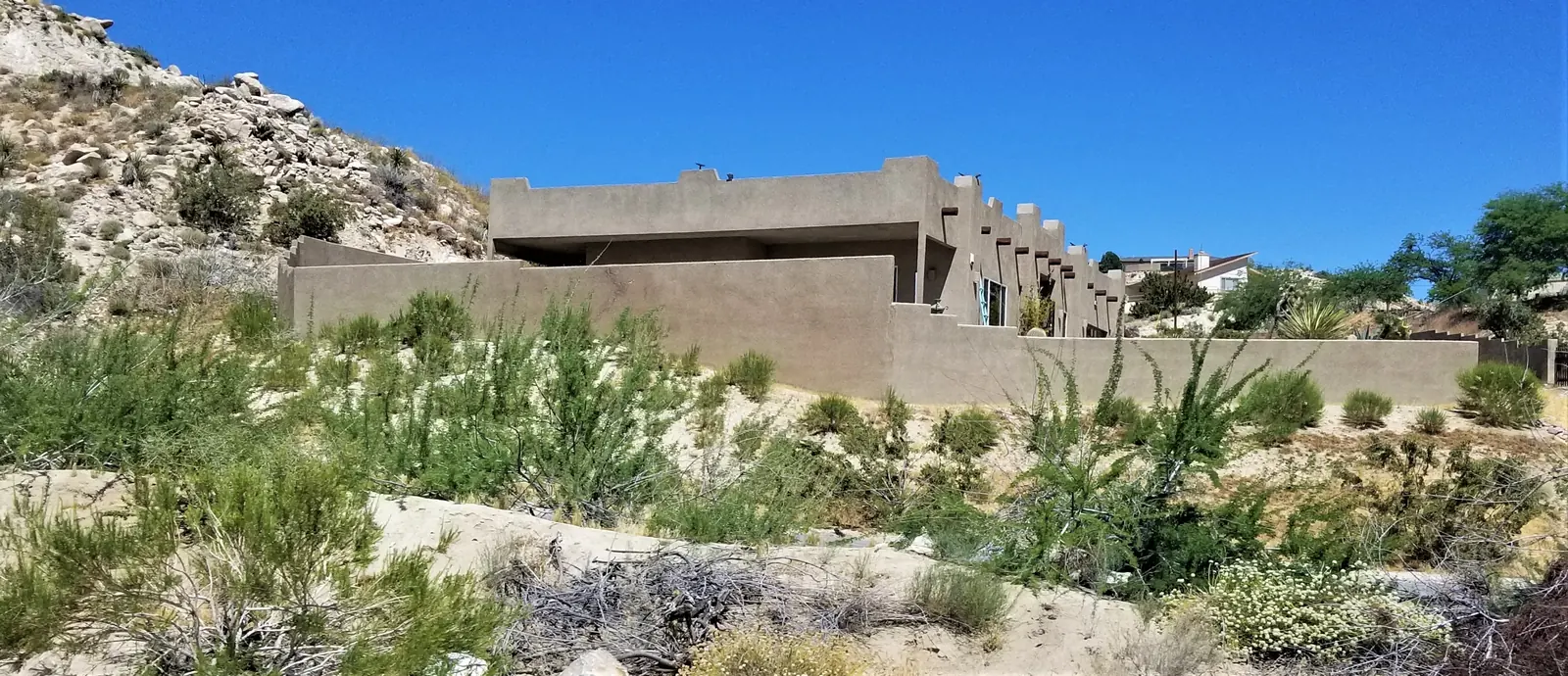
Arizona light is strong, and metallic floors respond to it. Morning light through east windows brings out warm tones; late-afternoon sun can make a floor almost glow. That is beautiful, but it also means UV exposure. We specify UV-stable topcoats in sunlit rooms so the decorative layer keeps its true color.
Temperature matters during installation too. We control airflow and keep the space at a steady temperature while the metallic layer levels, and in summer that often means starting early and keeping the HVAC running. It is one of several reasons we schedule interior metallic work carefully and do not rush it.
Living with a metallic floor
Day to day, a metallic floor is easy to clean: dust mop, then damp mop with a neutral cleaner. The care is mostly about protecting the gloss. Put felt pads on chair and table legs, use mats at exterior doors to catch grit, and avoid dragging heavy furniture.
Gloss finishes show dust and fine scratches more than satin ones, which is a trade-off for the depth gloss adds to the metallic effect. Over the years, if the topcoat dulls in busy paths, it can be lightly abraded and recoated, bringing the depth back without touching the decorative layer underneath.
What goes into the price
Metallic floors cost more than solid or flake systems because they involve more layers, more material and a skilled pour that cannot be rushed. Size, slab condition, the amount of flattening needed, the number of colors and the topcoat choice all affect the price. We quote each project after seeing the space and discussing the look you want, and we include sample boards so the decision is made with real expectations.