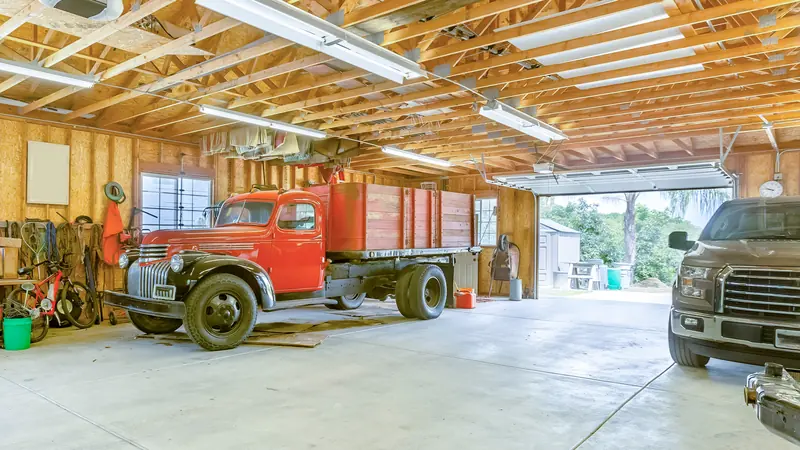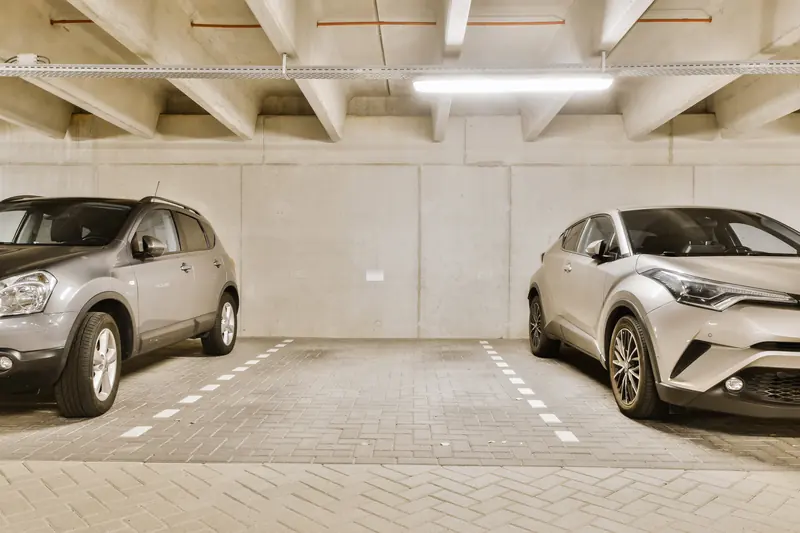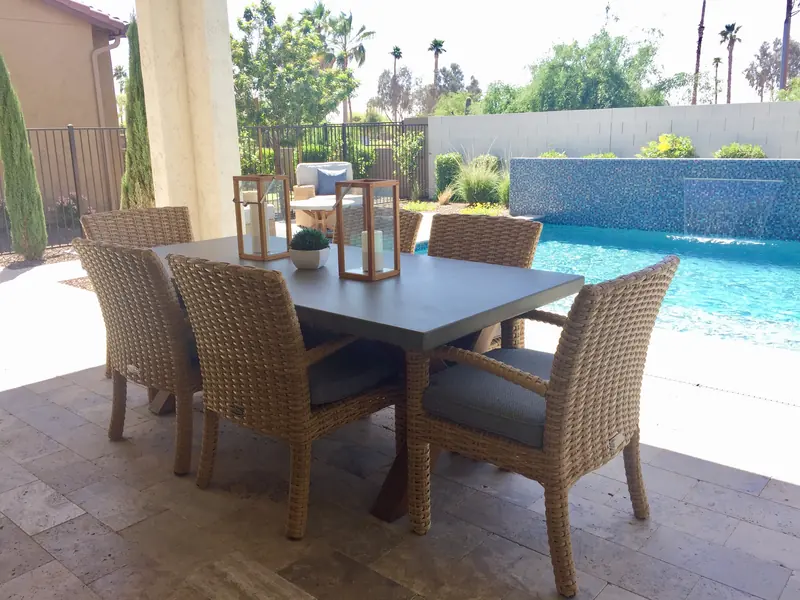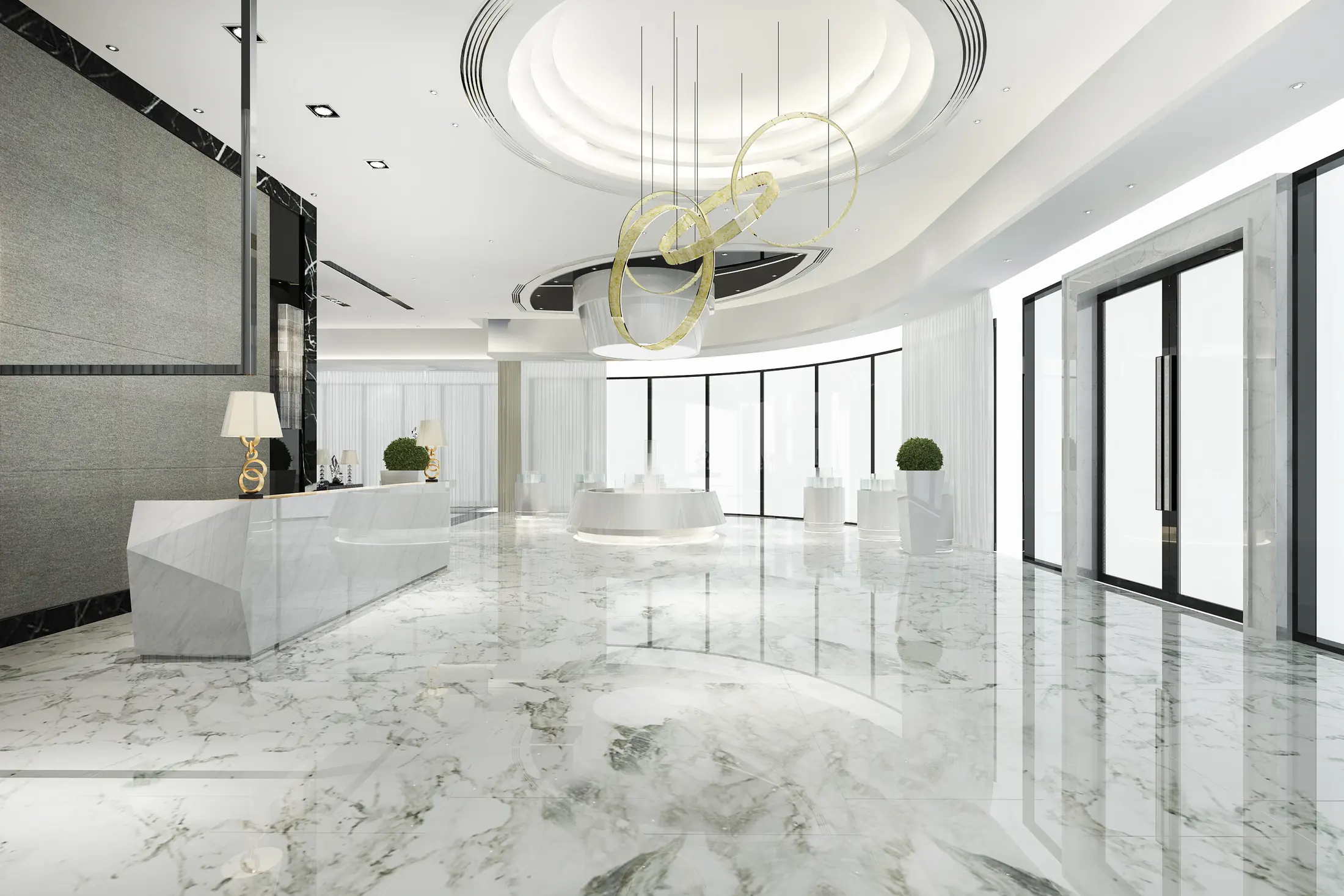
Walk into most finished garages in the Foothills and you are looking at a flake floor. There is a reason it has become the default: it combines a tough multi-layer coating with a texture that is very forgiving in real life. Fine monsoon dust, a few tire marks, a dropped tool, the dog tracking in from the yard, all of it disappears into the speckle.
But "flake floor" covers a wide range of looks. Chip size, color blend and how densely the chips are spread change the feel completely, from a busy, rugged surface to something closer to polished terrazzo. This page explains those choices so the floor you end up with is the one you pictured.
What a flake floor actually is
A flake floor is a layered system. The concrete is diamond-ground and repaired, then a pigmented base coat is rolled on. While the base is still wet, colored vinyl chips are thrown, or "broadcast," across the surface by hand. They sink partly into the resin and lock in place as it cures.
Once the base has cured, the excess chips are swept up and the surface is scraped to knock down any chips standing on edge. Then one or two clear topcoats go on. The topcoat is what you actually walk on. It seals the chips, sets the final sheen and provides the chemical and UV resistance.
The chips themselves are decorative. They do not make the floor stronger, but they add texture, hide imperfections in the slab, and give the eye something to read other than every speck of dust.
Chip size and coverage options
Two decisions shape a flake floor more than color: how big the chips are, and how many of them you use.
Picking a color blend that suits your home
Most blends mix three to six colors. The overall effect is set by the lightest and darkest chips in the mix and by the base coat color underneath.
A few rules of thumb from Ahwatukee homes:
- Lighter blends with cream, tan and soft grey make a garage feel larger and brighter. They show tire marks a little more.
- Mid-tone desert blends with sand, brown and a little charcoal suit stucco homes and hide both dust and tire marks well.
- Cool grey blends work with white cabinetry and modern exteriors.
- Dark blends look dramatic but show the pale monsoon dust more than you might expect.
We bring physical samples to every estimate. Look at them on the floor in the light the space actually gets. Small swatches in a showroom read very differently from a whole floor in a sunlit garage.
Where flake floors work best
Why a flake floor is a smart default
If you are undecided between finishes, flake is rarely the wrong answer. It is the most forgiving surface for imperfect slabs, because the texture disguises small dips and old repair lines that would show through a solid color. It is also the most forgiving for daily life, since dust and minor marks blend in.
The texture adds traction even before any anti-slip additive is used. With a slip-resistant topcoat, it becomes a sensible choice for entries, pool areas and gyms where floors get wet.
And because the chip layer adds thickness, a flake system tends to be a bit more resistant to impact damage than a thin solid coat. Drop a wrench on it and you are far less likely to see a mark.
How we install a flake floor
Grind and repair
Full diamond grind, crack and spall repair, edges hand-ground.
Base coat
A pigmented base, usually tinted to match the dominant tone of your blend so any gaps disappear.
Broadcast
Chips thrown by hand in overlapping passes for an even spread, to full coverage or your chosen density.
Scrape and clean
After cure, loose chips are removed and the surface scraped smooth.
Clear topcoat
One or two clear coats, typically polyaspartic, with optional anti-slip aggregate.
Details that separate a good flake floor from a cheap one
Broadcast technique. Even coverage takes practice. Uneven throwing leaves light patches and heavy clumps that show forever.
Topcoat thickness. A thin topcoat over full-broadcast chips leaves a rough, sandpaper-like surface that traps dirt. A proper topcoat gives a smoother texture that is still grippy.
Clean edges. Stem walls, door thresholds and the junction with the driveway are where rushed work shows. We hand-grind and cut these in carefully.
Heat management. In summer, base coats can start to gel before the chips are thrown if the crew is not working in sensible sections. We plan the floor in zones and start early.

Flake floors and Ahwatukee conditions
Our dust is fine and pale, and it finds its way into every garage. That is the main reason flake floors are so popular here. A good mid-tone blend hides a week of dust between cleanings.
The other local factor is sun. Many vinyl chips and all clear topcoats are not equal when it comes to UV. For any flake floor that sees direct afternoon sun, whether at a west-facing garage door or on an uncovered patio, we use UV-stable topcoats and talk honestly about which chip colors hold up best in full exposure.
Caring for a flake floor
Flake floors are about as easy as floors get. Sweep, dust mop or blow out the space regularly, especially through monsoon season, and wash occasionally with warm water and a neutral cleaner. A soft deck brush helps lift dirt from the textured surface. Avoid harsh solvents and citrus degreasers on the topcoat.
If the clear top dulls in the main traffic lane after years of use, it can be scuffed and recoated. The flakes underneath stay protected, so the floor looks new again without redoing the decorative layer.
What affects the price of a flake floor
Square footage sets the baseline. From there, slab condition matters most: old paint or coatings to remove, cracks and spalls to repair, and moisture issues all add time. Full broadcast uses more chips than partial broadcast, and specialty or custom blends cost more than stock blends. Coating stem walls and adding an anti-slip additive are smaller add-ons. Your written estimate lists each item so you can see the trade-offs.