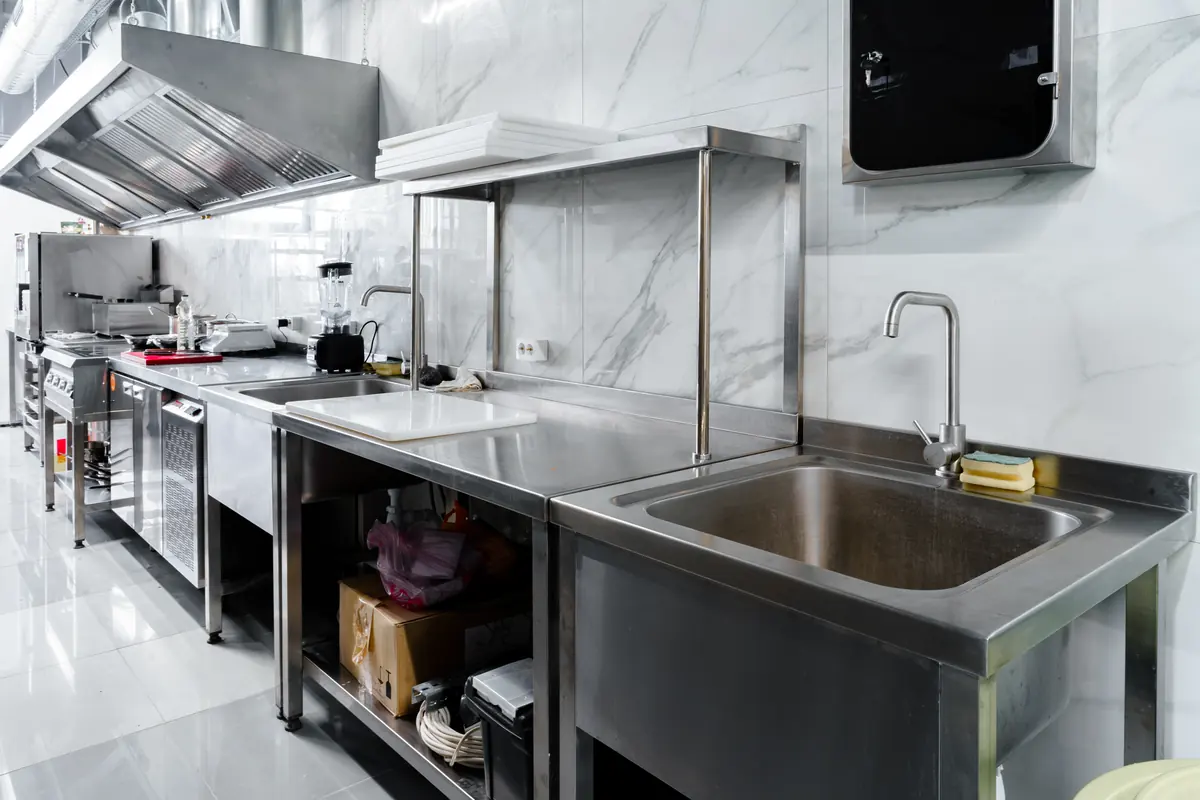
For a business owner, the floor is easy to ignore until it becomes a problem. Grout lines in the kitchen that never look clean. Vinyl tiles curling at the seams by the entrance. A bare concrete back room that sheds dust onto inventory. Then comes the hardest part: the thought of closing for a week to fix it.
Resin flooring solves most of those problems in one surface, and with the right system and planning, it does not have to shut you down. We work with retailers, restaurants, salons, medical and dental offices, fitness studios and offices around Ahwatukee and the nearby East Valley. Every commercial job starts with your schedule, then the floor.
Matching the system to the business
Different businesses wear floors out in different ways. These are starting points we often recommend, adjusted after we see the space.
| Business | Main stresses | Systems we often consider |
|---|---|---|
| Retail and showrooms | Foot traffic, carts, appearance | Solid or flake epoxy with a durable topcoat; metallic for feature areas |
| Restaurants and kitchens | Hot water, grease, constant washing, slips | Urethane cement or heavy-duty resin with textured finish and coved edges |
| Salons and spas | Dyes, chemicals, water, rolling chairs | Chemical-resistant topcoats in satin or gloss; flake or solid color |
| Medical and dental | Cleanability, disinfectants, rolling equipment | Seamless solid color with chemical-resistant topcoat; integral cove base |
| Fitness studios | Dropped weights, sweat, cleaning | High-build systems with texture; rubber matting zones where needed |
| Auto service | Hot tires, fluids, jacks, heavy wear | Polyurea or high-build epoxy with polyaspartic top and striping |
Why businesses choose resin floors
Seamless and sanitary. No grout, no seams, no gaps for grime and bacteria. Coved edges can carry the floor up the wall a few inches so mops reach every corner.
Built for cleaning chemicals. Topcoats can be selected to resist the specific disinfectants, degreasers and chemicals your business uses daily.
Slip resistance where you need it. Texture can be adjusted by zone, with grippier finishes at entries, prep areas and wash stations and smoother finishes elsewhere.
Lower long-term upkeep. No waxing, stripping or grout sealing. Routine cleaning plus periodic topcoat renewal in high-traffic lanes.
A floor that matches your brand. Colors, sheens and decorative options let the floor support the look of the space rather than fight it.
Scheduling around your business
Downtime is the biggest cost of most commercial floor projects, often more than the floor itself. We plan to keep it small.
After-hours and weekend work. Many smaller spaces can be prepped and coated across an evening and a weekend using fast-curing systems.
Phasing. Larger spaces are split into sections. We coat one area while the rest stays open, then swap.
Fast-cure materials. Polyaspartic and other rapid systems allow foot traffic in hours instead of days when the space needs to reopen quickly.
Dust and odor control. Vacuum-attached grinders, containment barriers and low-odor products keep neighboring suites and shared HVAC systems happy.
You will get a written schedule before work starts, including when each area will be out of service and when it can be used again.
Commercial finishes
How a commercial project runs
Site walk
We review the space, current floor, moisture, traffic patterns, cleaning products and any landlord or code requirements.
Proposal and schedule
A written proposal with system specs, phasing plan and a calendar you can share with your team.
Preparation
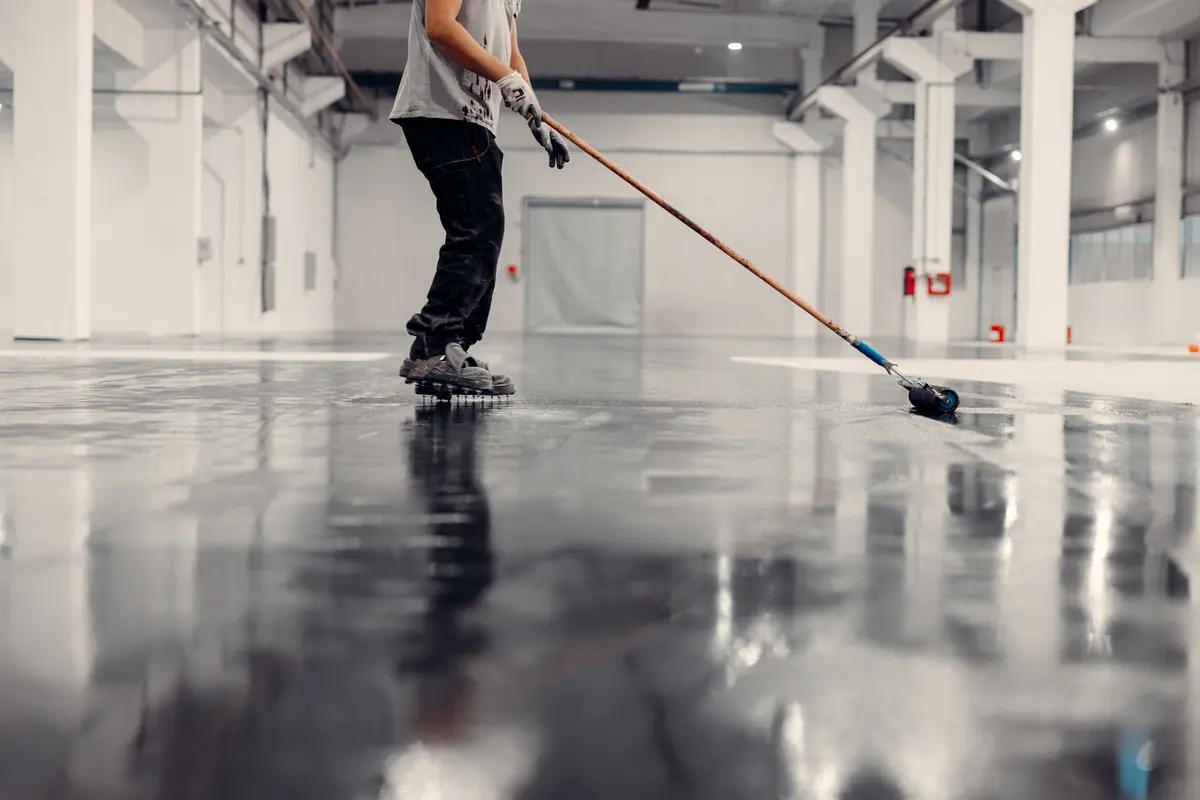
Removal of old flooring, diamond grinding and repairs, with containment in occupied buildings.
Coating
System layers applied by zone, including coves, transitions and drains.
Handover
Final inspection, cure times, cleaning instructions and recommended maintenance intervals.
Working with businesses in and around Ahwatukee
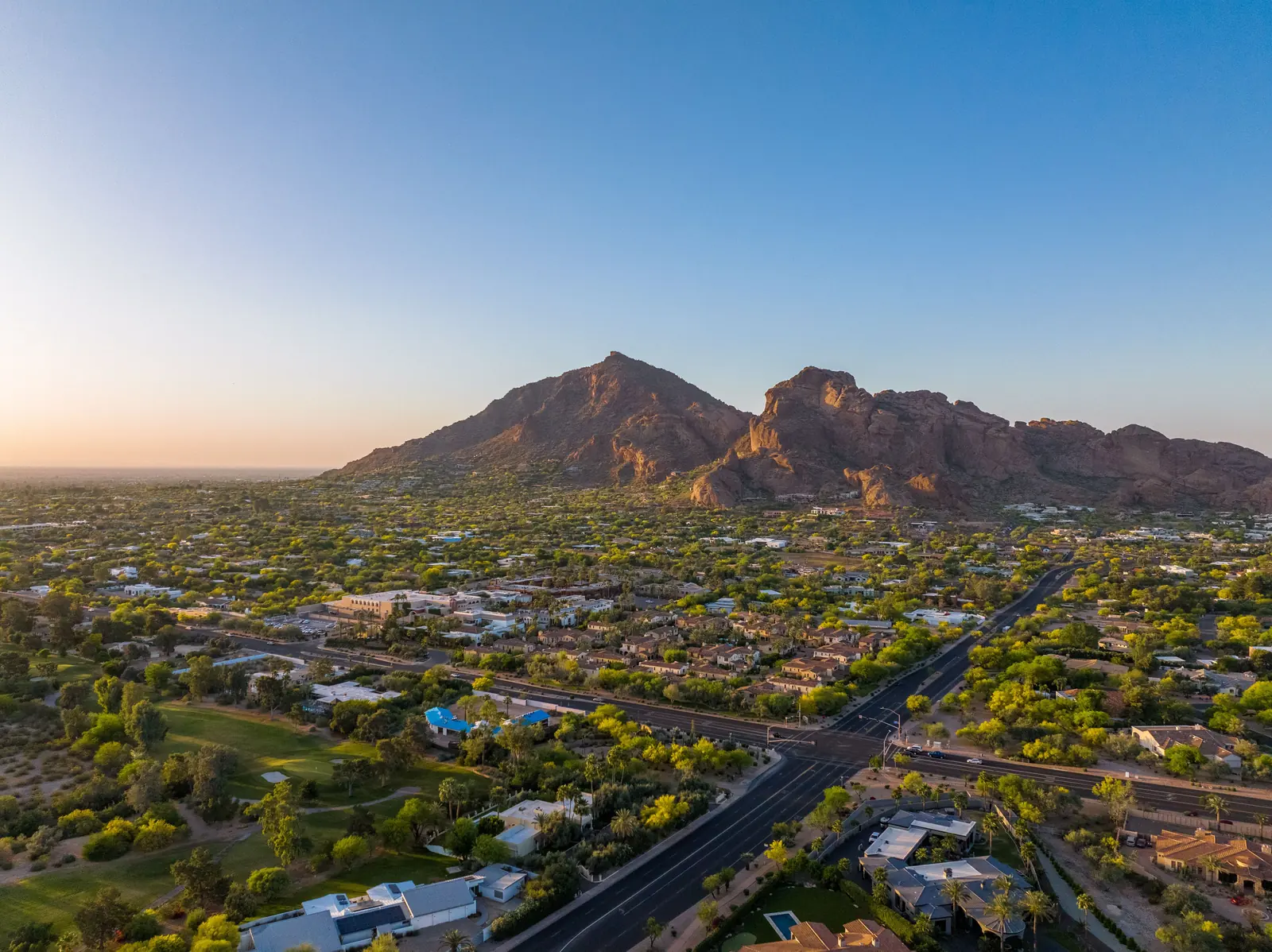
Ahwatukee's commercial spaces are mostly in strip centers and professional plazas along Ray Road, Warner Road, Elliot Road and Chandler Boulevard, plus the business parks near the I-10. Many are leased suites with shared walls, shared HVAC and landlords who want to know exactly what is happening and when.
We are used to working within those limits: coordinating with property managers, keeping dust and odor contained, staging equipment so we do not block shared entrances, and leaving the suite ready for business when we say we will. For businesses in Tempe, Chandler and south Phoenix, the same approach applies.
Summer adds one more factor. Many commercial spaces have their HVAC set back after hours, and a hot suite changes how coatings behave. We confirm temperature plans with you ahead of time.
Why commercial floors need a specialist crew
Commercial floors raise the stakes. A failed coating does not just look bad; it can mean another closure, a safety hazard or problems with an inspection. The details that prevent that include moisture testing before coating over slabs, choosing the right texture for each zone, correct treatment of floor drains and transitions, and topcoats matched to your actual cleaning chemicals.
We take time on those details up front so the floor quietly does its job for years.
What affects the price of a commercial floor
Commercial floors are priced individually because the variables differ so much between spaces. The most important ones are the existing flooring to be removed, the condition and moisture level of the slab, the system chosen, details such as cove bases and floor drains, and the schedule. Night and weekend work, or tightly phased projects, take more planning and crew time than an empty suite.
We itemize these in your proposal. If budget is tight, we will show you where a lighter system makes sense, such as back offices, and where it is worth spending more, such as kitchens, entries and wet areas.
Looking after the floor after we leave
Most commercial resin floors need only routine cleaning with the right products. We give your staff written guidance on cleaners that suit the topcoat, how to handle spills and what to avoid, such as harsh solvents or abrasive pads on gloss finishes. Walk-off mats at entrances catch most of the grit that dulls floors over time.
High-traffic paths, such as the route from the kitchen line to the dish station or the main retail aisle, will show wear first. A maintenance topcoat in those areas every few years keeps the whole floor looking even and is completed in a fraction of the time of the original install.